A New Standard for Ending Chronic Muscle & Tendon Pain
When stretching, physical therapy, and injections haven't delivered lasting relief, this FDA-cleared technology offers a compelling next step — no surgery, no downtime.
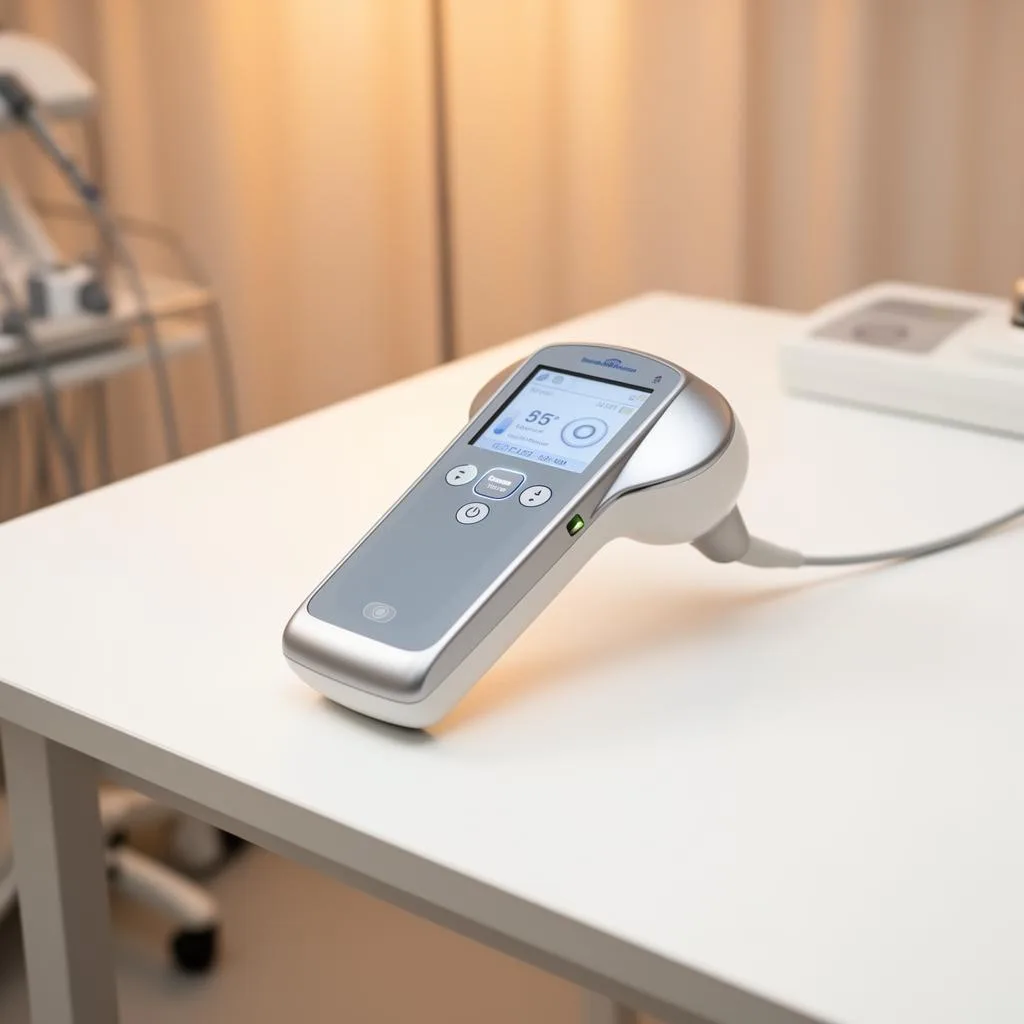
What Exactly Is Shockwave Therapy?
Shock waves have been used in medicine since the 1980s — they're the gold standard for non-surgically breaking up kidney stones. Over time, researchers discovered that lower-intensity acoustic pressure waves applied to musculoskeletal tissue could produce remarkable healing effects. Today, EPAT is used across orthopedics, rheumatology, pain management, and rehabilitation with consistent success.
The process itself is straightforward: ultrasound gel is applied to the target area, and a therapist uses a handheld device to deliver pressure waves deep into the affected tissue. Each session runs about 15 to 20 minutes. You can walk out immediately and most return to work within 24 to 48 hours.
"Shockwave therapy is the fastest way out of any given pain. Therapist sessions and at-home practice then resolve the cause — and help keep you out of pain."
How It Works in the Body
Chronic pain often persists because injured tissue loses adequate blood flow, creating a cycle where the area can't heal itself. Shockwave therapy interrupts this cycle: pressure waves stimulate mechanoreceptors in the skin, fascia, tendons, and muscles — activating the neuromuscular system, improving circulation, softening thickened tissue, and restoring range of motion. Every session is calibrated specifically to you.
Conditions Shockwave Can Address
Part of a Whole-Body Approach
Lasting recovery requires three components working together: Shockwave therapy, therapist-led myofascial release sessions, and a consistent at-home practice. Shockwave excels at unlocking the specific, stubborn spot where you're most guarded. That then creates the conditions for broader myofascial work to take hold. None of these replaces the others — all three are essential.
Frequently Asked.
Is Shockwave therapy painful?+
It should not be. The intensity must never exceed your comfort limits — if it does, your body will tense up defensively, working against the process. You may feel some discomfort during or after a session. Any temporary side effects — mild swelling, redness, or skin sensitivity — typically resolve within five to ten days.
When will I feel results?+
Some people experience immediate relief after their first session. For others, noticeable improvement begins within four weeks. Over 80% of people report being pain-free or experiencing significant pain reduction.
How many sessions will I need?+
Shockwave therapy is delivered in a series of six sessions, each one week apart. Sessions are approximately 15 to 20 minutes; plan for 30 minutes total.
Is it safe?+
Shockwave therapy is FDA-cleared and considered very safe. Before scheduling, you'll complete a call with our client success specialist to confirm it is appropriate for your situation.
Who should not receive Shockwave therapy?+
Shockwave is not recommended for people with serious cardiovascular disorders, implanted pacemakers near the area, active malignancies, pregnancy, phlebitis or DVT in the leg being addressed, or a cortisone injection in the area within the past 11 weeks. NSAIDs should be discontinued before and for 4–6 weeks after.
Not sure if Shockwave is right for you?
Our client success team will walk through your health history during a free phone consultation before any sessions are scheduled.
How Long Are You Going to Wait?
The conversation is free. The change is real.
Release Works does not diagnose, treat, or prescribe. The Release Works Method of Healing™ is a movement restoration practice. Consult your physician for medical advice.
Pair Shockwave With the Right Container.
Shockwave is a powerful tool — but tools work best inside the right relationship. These are the three ways to access it as part of a whole-body protocol.
Single Visit
Experience
Walk in stiff. Walk out lighter.
⚡ $197 through August 15
Try the ExperienceMost PopularMonthly Membership
Vitality
The body you trust — month after month.
⚡ $697/mo charter rate through June 15
Join Vitality90-Day Transformation
Mastery
90 days to physical freedom.